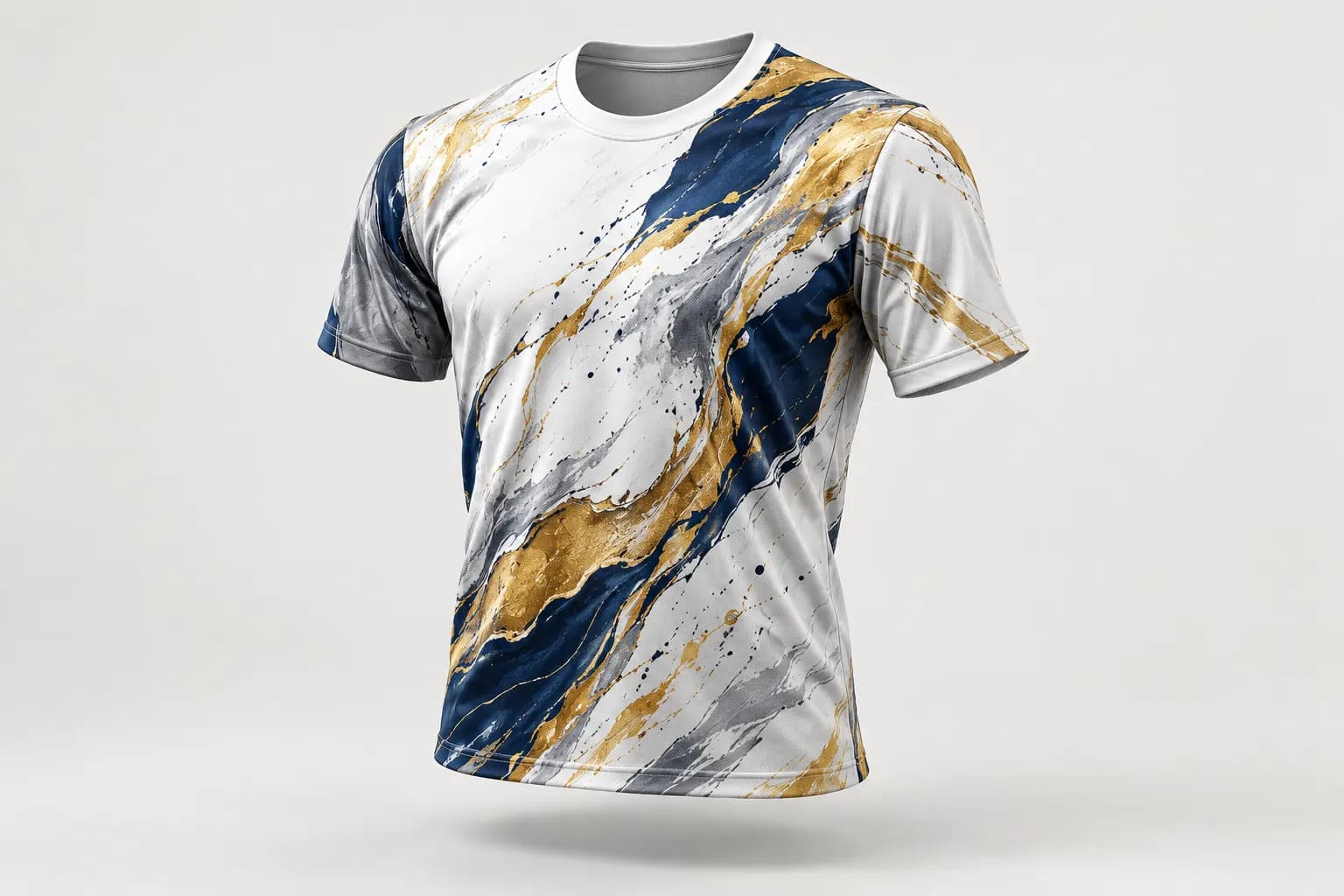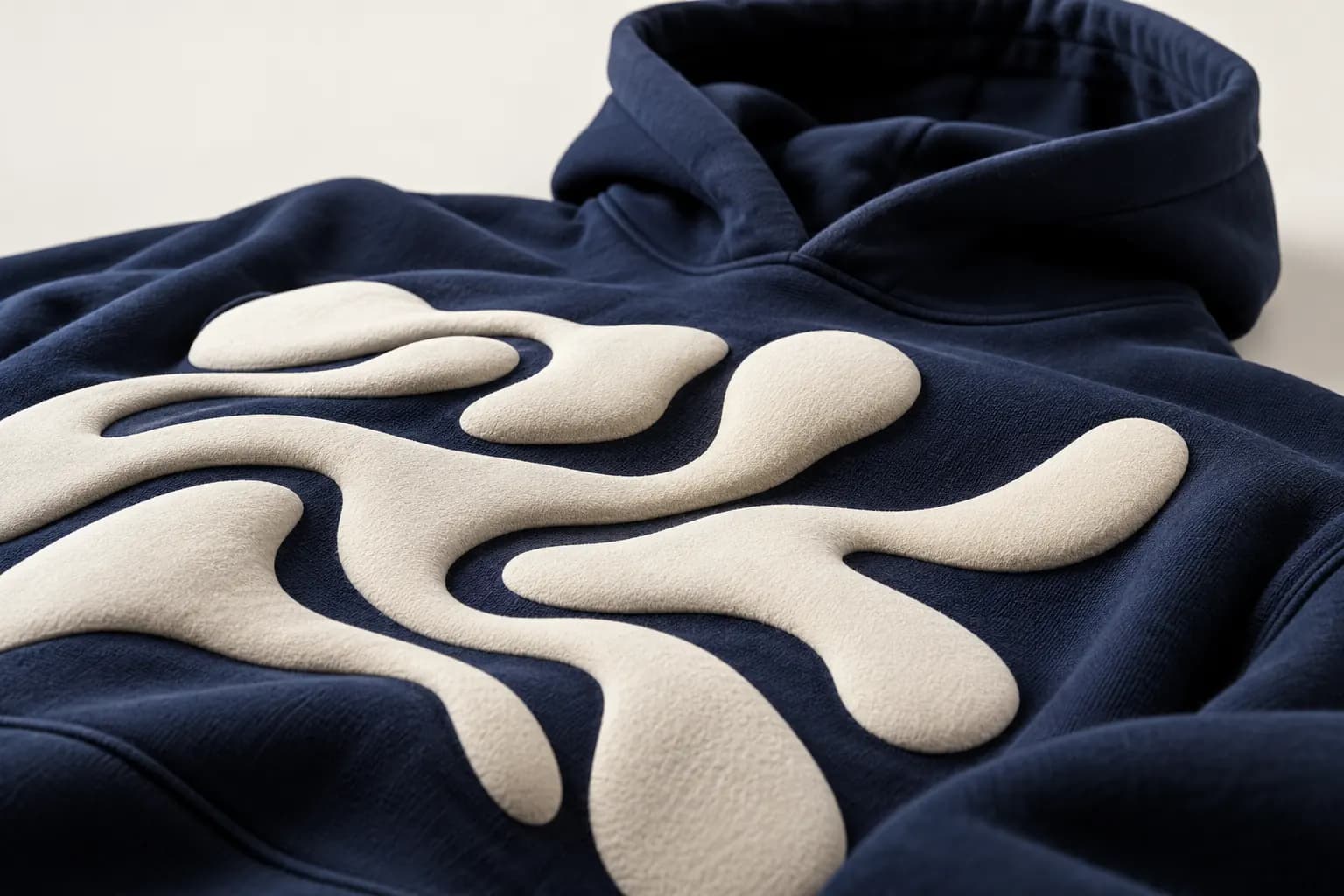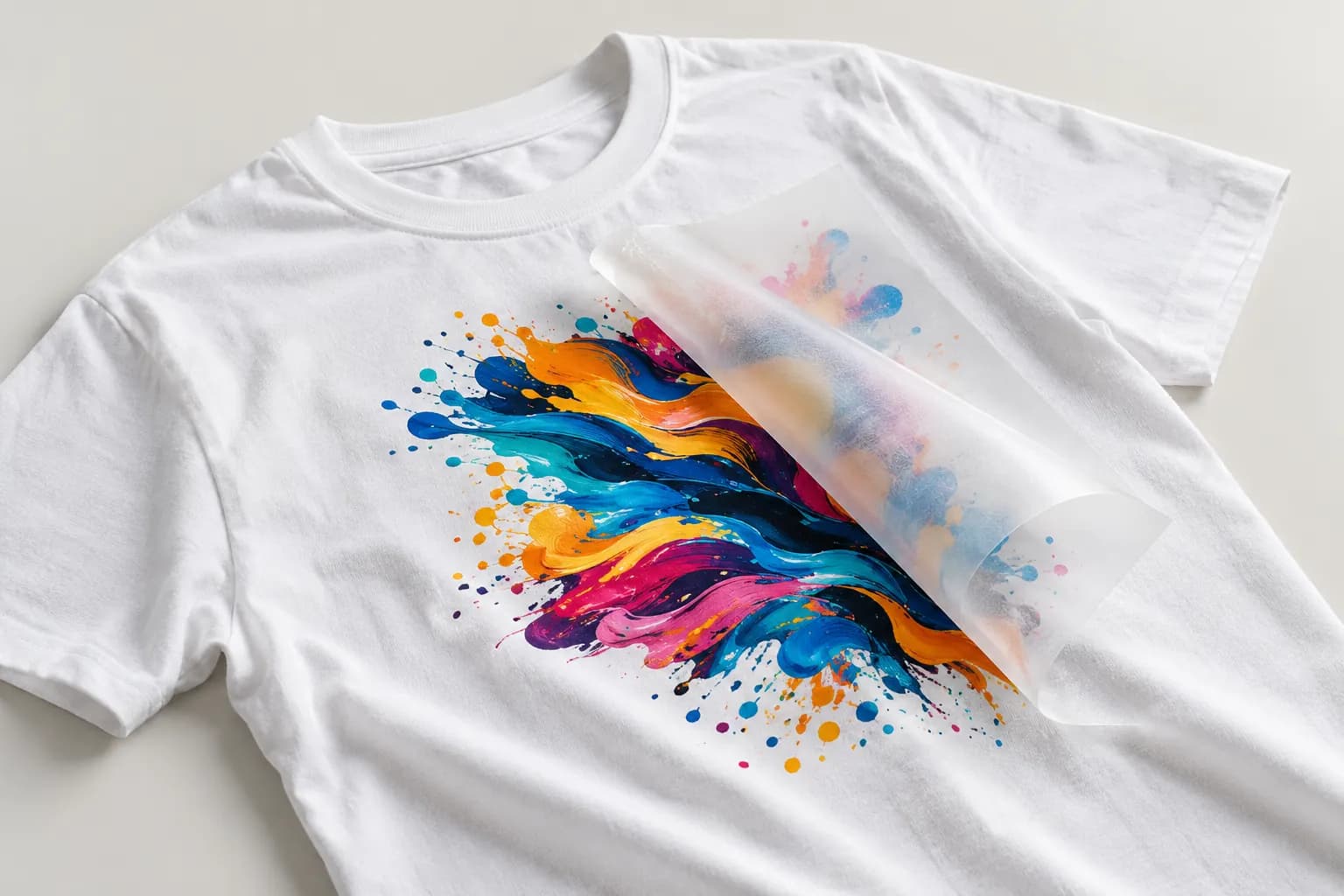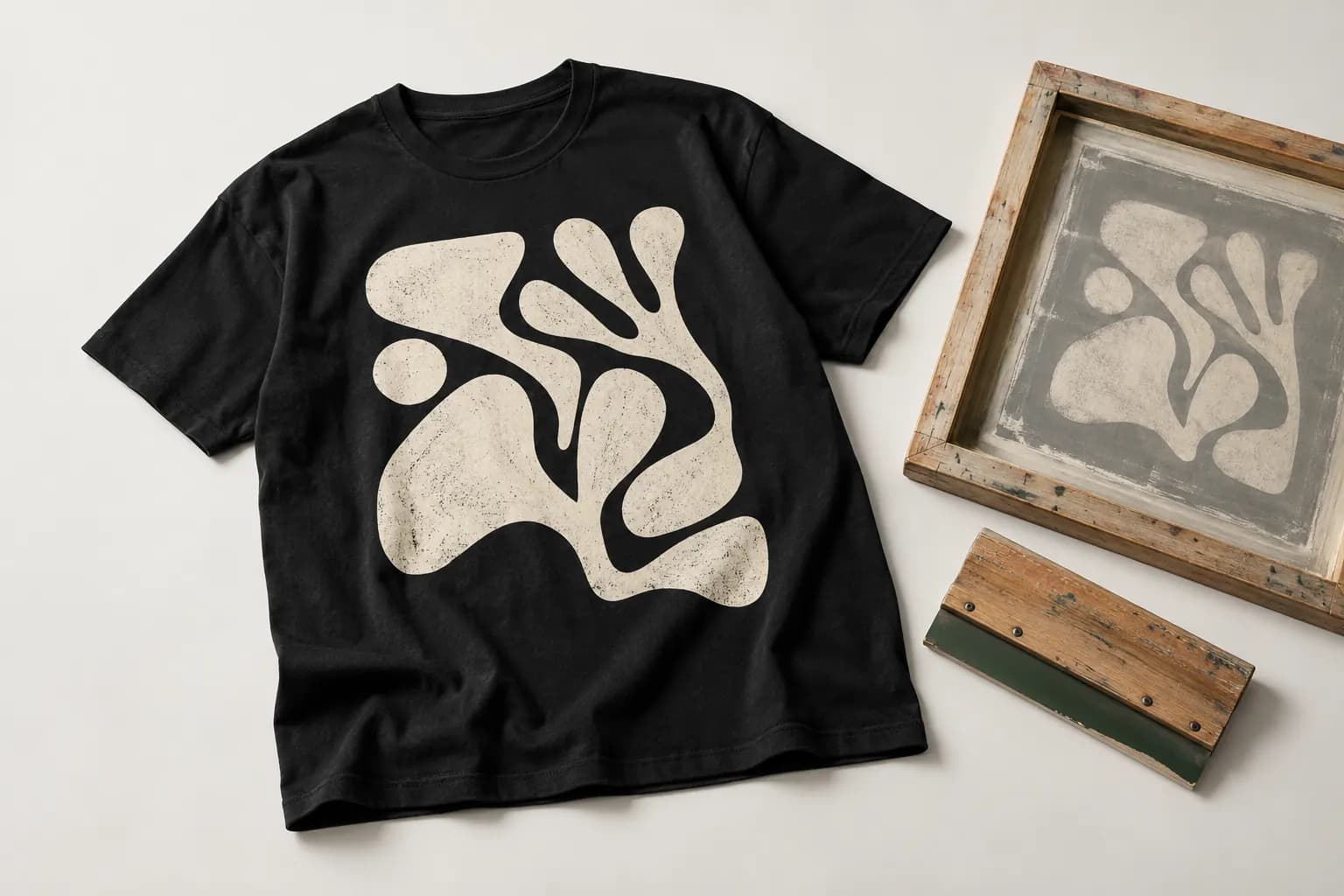
Screen printing pushes ink through a fine mesh screen onto the garment, one colour at a time. It produces strong, opaque colours that stand up well to washing.
For designs with a few solid colours and larger quantities, it is usually the most economical and durable choice.
Why brands use screen printing
- Vivid, solid colours with sharp edges
- Excellent wash durability
- Works on light and dark garments
- Special inks such as puff, metallic and soft-hand
How colours affect the job
Each colour in the design needs its own screen. Designs with fewer colours are quicker to set up, while photographic artwork is often better suited to DTG or DTF.
Options at a glance
| Point | Details |
|---|---|
| Best for | Spot-colour logos and graphics |
| Garments | T-shirts, hoodies, sweatshirts, totes |
| Inks | Plastisol, water-based, puff, metallic |
| Colours | One screen per colour |
| Durability | Excellent |
Key facts
Screen printing presses ink through a mesh screen, one colour at a time. DEAL N TRADING uses it for bold, durable graphics on t-shirts, hoodies and sweatshirts.
Before you order
Can screen printing reproduce photos?
It can approximate photos with halftone dots, but DTG or DTF usually give a more natural photographic result.
Water-based or plastisol ink?
Water-based ink feels softer on light fabrics. Plastisol is brighter and more opaque on dark garments.